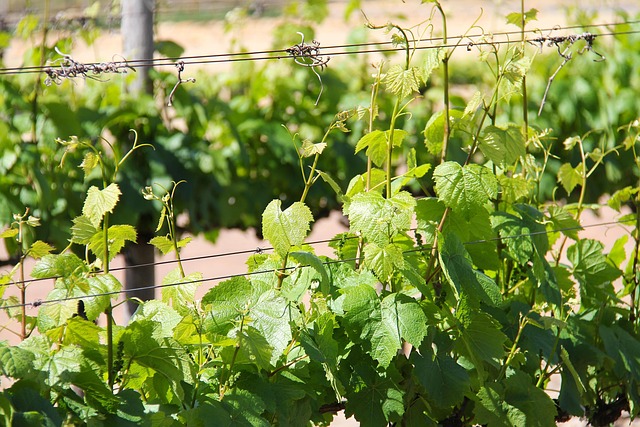
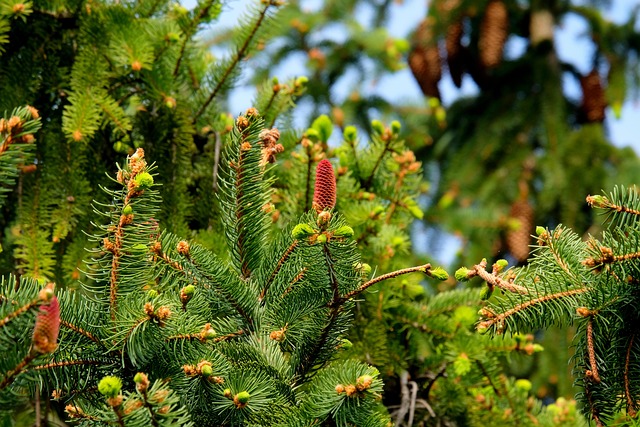

Welcome to our green garden blog, where we dive into eco-friendly tips for a sustainable plant project. In today’s world, environmental consciousness is more important than ever, and what better place to start than in our own gardens? Gardening is not just a hobby; it’s a way to connect with nature and contribute positively to the environment.
When it comes to sustainable plant projects, there are several practices we can adopt to ensure we are being eco-friendly. One key aspect is using organic fertilizers and avoiding harsh chemicals that can harm the ecosystem. By opting for natural alternatives, we not only nurture our plants but also protect the surrounding environment.
Composting is another great way to make our plant projects more sustainable. Instead of throwing away kitchen scraps and yard waste, we can turn them into nutrient-rich compost that benefits the soil and reduces landfill waste. It’s a simple yet effective way to give back to nature.
Choosing native plants for our garden is also crucial for sustainability. Native plants are adapted to the local climate and require less water and maintenance, making them ideal for a green garden project. By supporting local biodiversity, we create a harmonious ecosystem that thrives naturally.
Water conservation is a significant concern, especially in gardening. Implementing rainwater harvesting systems and using drip irrigation can help us minimize water wastage and ensure that our plants receive just the right amount of moisture. It’s a sustainable approach that benefits both the environment and our garden.
Furthermore, practicing integrated pest management (IPM) techniques allows us to control pests without resorting to harmful chemicals. By encouraging beneficial insects and natural predators, we can maintain a healthy balance in our garden and support the eco-system without disrupting it.
By embracing these eco-friendly tips for our sustainable plant project, we not only create a beautiful garden but also contribute positively to the environment. Let’s nurture our connection with nature and strive to make a difference, one plant at a time. Together, we can create a greener and more sustainable world.